Abstract
A waterproof cable connector is a critical component in modern electrical and electronic systems where moisture, dust, vibration, and environmental exposure can compromise performance and safety. This article provides a comprehensive explanation of waterproof cable connectors, their working principles, common customer pain points, key technical parameters, application scenarios, selection guidelines, and frequently asked questions. The content is designed to help engineers, buyers, and project managers make informed decisions for long-term reliability and stable operation in demanding environments.
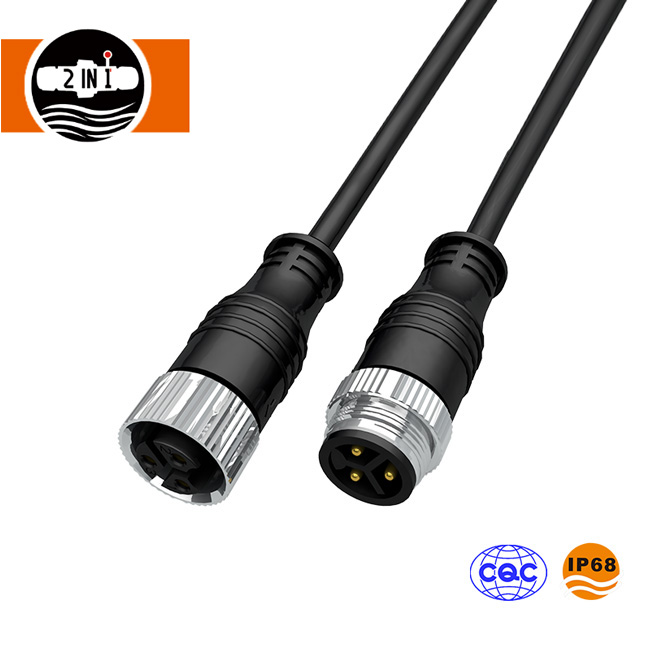
Table of Contents
-
Introduction to Waterproof Cable Connectors
-
Why Waterproof Cable Connectors Matter in Real Applications
-
Common Customer Pain Points and Practical Solutions
-
How Waterproof Cable Connectors Work
-
Key Technical Parameters Explained
-
Main Types of Waterproof Cable Connectors
-
Typical Application Scenarios
-
How to Choose the Right Waterproof Cable Connector
-
Installation and Maintenance Considerations
-
FAQ
-
Conclusion and Contact Us
Introduction to Waterproof Cable Connectors
Electrical connections are often exposed to harsh environments, including rain, humidity, dust, oil, and temperature fluctuations. A waterproof cable connector is designed to protect electrical contact points from these external factors while maintaining stable signal and power transmission. By integrating sealing structures, insulating materials, and robust mechanical designs, these connectors help prevent short circuits, corrosion, and system failure.
Manufacturers such as HuaYi-FaDa Technology focus on developing waterproof cable connector solutions that balance durability, ease of installation, and electrical performance, making them suitable for both industrial and commercial use.
Why Waterproof Cable Connectors Matter in Real Applications
In many industries, electrical reliability directly affects operational safety and efficiency. Standard connectors may perform adequately indoors, but once exposed to moisture or contaminants, failure risks increase significantly.
-
Outdoor installations face rain, UV exposure, and temperature changes.
-
Industrial environments involve oil mist, dust, and vibration.
-
Marine and underground systems require long-term water resistance.
-
Renewable energy systems demand stable connections over many years.
Waterproof cable connectors are engineered to address these challenges by creating sealed electrical interfaces that maintain integrity over time.
Common Customer Pain Points and Practical Solutions
|
Customer Pain Point
|
Impact
|
How Waterproof Cable Connectors Help
|
|
Water ingress at connection points
|
Short circuits and equipment damage
|
Sealing rings and threaded housings block moisture
|
|
Complex installation process
|
Increased labor cost and errors
|
Plug-and-play or quick-lock designs simplify assembly
|
|
Unstable signal transmission
|
System malfunction or downtime
|
Precision contacts ensure consistent conductivity
|
|
Frequent replacement needs
|
Higher maintenance expenses
|
Durable materials extend service life
|
How Waterproof Cable Connectors Work
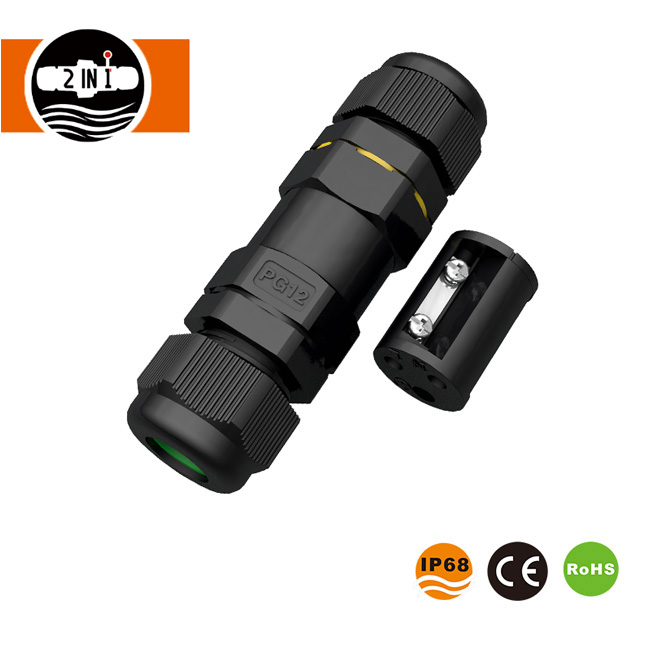
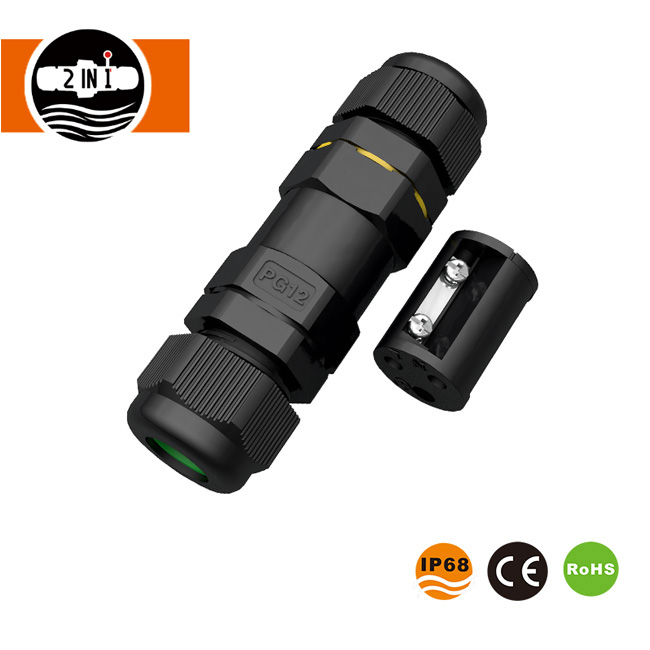
The core function of a waterproof cable connector lies in its sealing structure and internal contact design. Typically, the connector includes:
-
Insulated housing made from engineered plastics or metal alloys
-
Elastic sealing components that compress during installation
-
Conductive terminals designed to minimize resistance
-
Locking mechanisms that prevent accidental disconnection
When assembled correctly, these elements form a closed system that resists water penetration while maintaining stable electrical continuity.
Key Technical Parameters Explained
|
Parameter
|
Description
|
|
Ingress Protection Level
|
Defines resistance to water and dust under standardized conditions
|
|
Rated Voltage
|
Maximum operating voltage the connector can safely handle
|
|
Rated Current
|
Continuous current capacity without overheating
|
|
Operating Temperature
|
Temperature range for stable performance
|
|
Cable Diameter Range
|
Supported outer cable sizes for proper sealing
|
Understanding these parameters ensures that the selected waterproof cable connector matches the application requirements precisely.
Main Types of Waterproof Cable Connectors
-
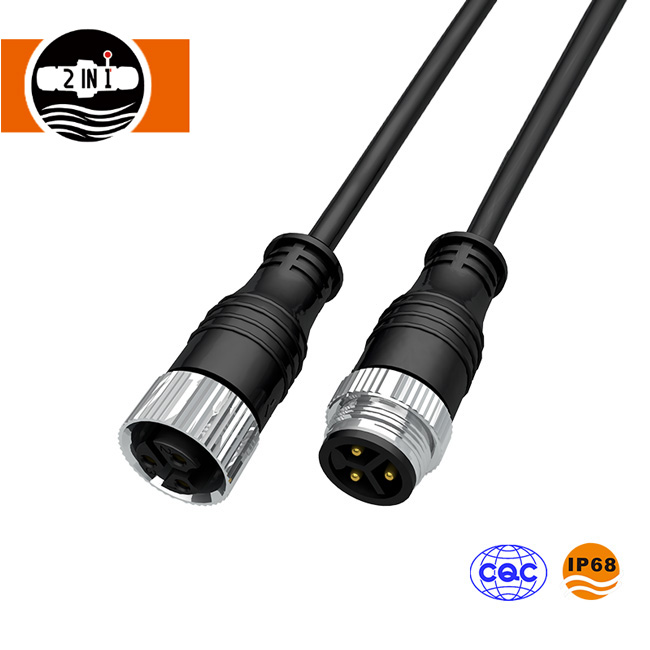
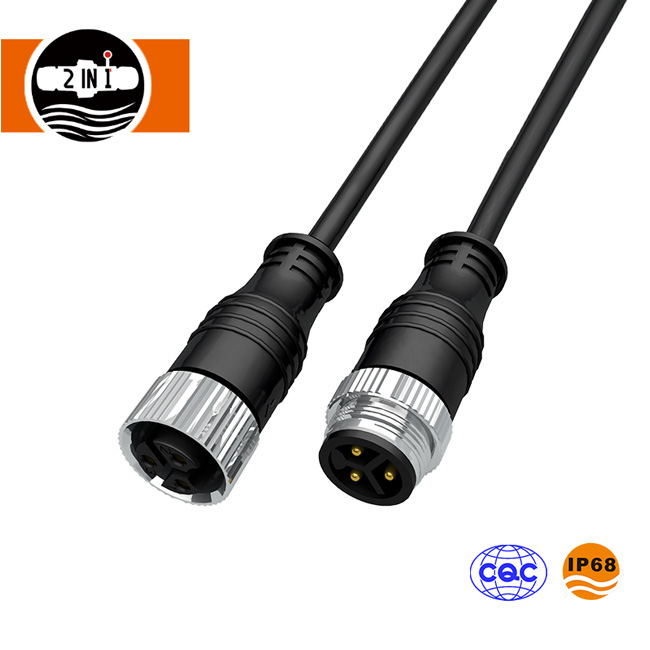
Inline waterproof connectors for cable-to-cable connections
-
Panel-mount connectors for enclosure interfaces
-
Quick-lock connectors for rapid installation
-
Multi-pin connectors for signal and power integration
Each type addresses different structural and functional needs, depending on system design.
Typical Application Scenarios
Waterproof cable connectors are widely used across multiple industries:
-
Outdoor lighting and streetlamp systems
-
Solar power and wind energy installations
-
Industrial automation equipment
-
Marine electronics and port facilities
-
Agricultural machinery and irrigation systems
In these scenarios, long-term environmental resistance is essential for operational stability.
How to Choose the Right Waterproof Cable Connector
When selecting a waterproof cable connector, consider the following factors:
-
Environmental exposure level and installation location
-
Electrical load requirements
-
Ease of installation and maintenance access
-
Compatibility with existing cables and equipment
-
Expected service life and reliability needs
Collaborating with experienced manufacturers such as HuaYi-FaDa Technology can help align technical specifications with real-world application demands.
Installation and Maintenance Considerations
Proper installation is critical to achieving full waterproof performance. Ensure sealing components are intact, cables are correctly stripped, and locking mechanisms are fully engaged. Periodic inspection can further reduce the risk of unexpected failure, especially in high-vibration or outdoor environments.
FAQ
Q: Can a waterproof cable connector be reused after disassembly?
A: Many designs support reuse, but sealing components should be inspected for wear to maintain water resistance.
Q: Are waterproof cable connectors suitable for underground installations?
A: Yes, when correctly rated and installed, they can perform reliably in buried or underground systems.
Q: Do waterproof connectors affect electrical performance?
A: Properly designed connectors maintain stable conductivity while providing environmental protection.
Conclusion and Contact Us
A waterproof cable connector is not merely an accessory but a vital safeguard for electrical systems operating in challenging conditions. By addressing moisture, dust, and mechanical stress, these connectors enhance reliability, reduce maintenance costs, and extend system lifespan. HuaYi-FaDa Technology continues to provide well-engineered waterproof cable connector solutions tailored to diverse application needs.
If you are evaluating options or require customized solutions for your project, contact us today to discuss how the right waterproof cable connector can improve the safety and performance of your electrical systems.

 English
  Español
  Português
  русский
  Français
  日本語
日本語  Deutsch
  tiếng Việt
  Italiano
  Nederlands
  ภาษาไทย
  Polski
  한국어
한국어  Svenska
  magyar
  Malay
Malay  বাংলা ভাষার
  Dansk
Dansk  Suomi
Suomi  हिन्दी
  Pilipino
  Türkçe
  Gaeilge
  العربية
  Indonesia
  Norsk
Norsk  تمل
تمل  český
český  ελληνικά
  український
  Javanese
  فارسی
فارسی  தமிழ்
தமிழ்  తెలుగు
  नेपाली
  Burmese
  български
  ລາວ
ລາວ  Latine
  Қазақша
  Euskal
  Azərbaycan
  Slovenský jazyk
  Македонски
  Lietuvos
  Eesti Keel
  Română
  Slovenski
  मराठी
मराठी  Srpski језик