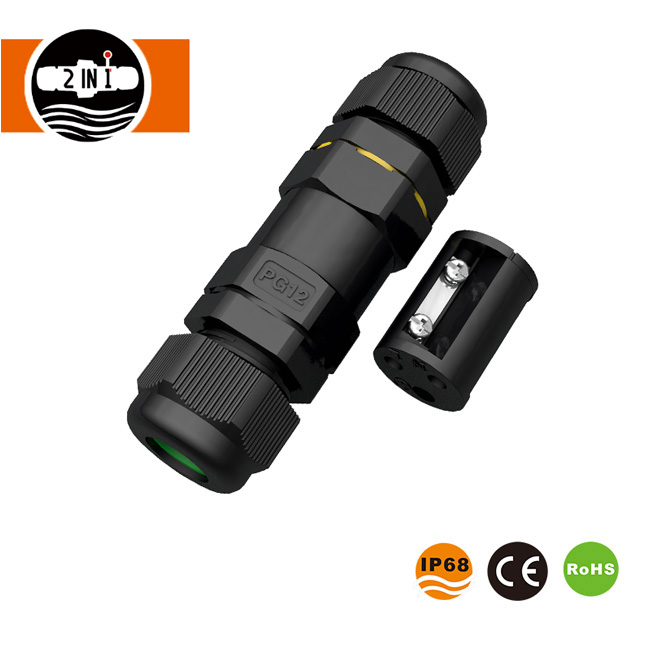
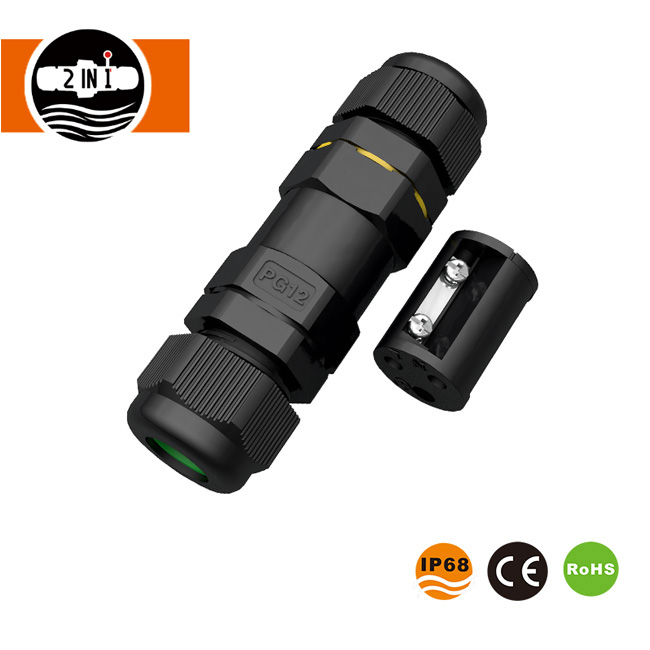
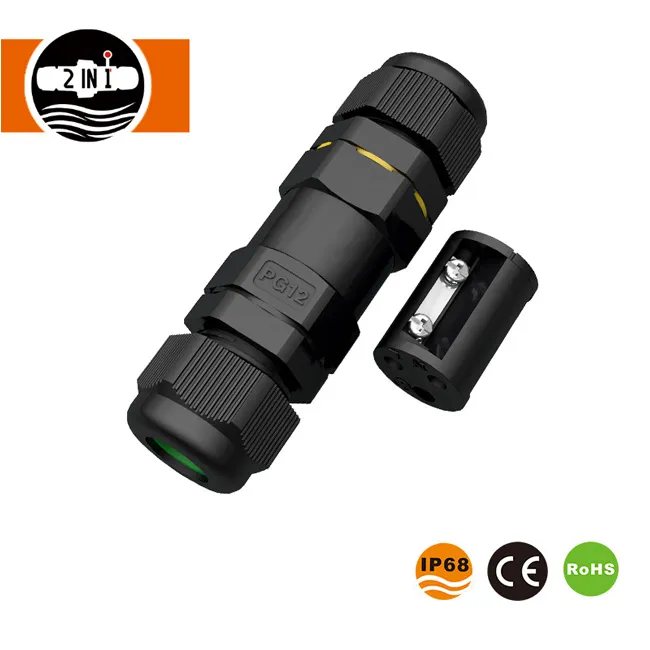
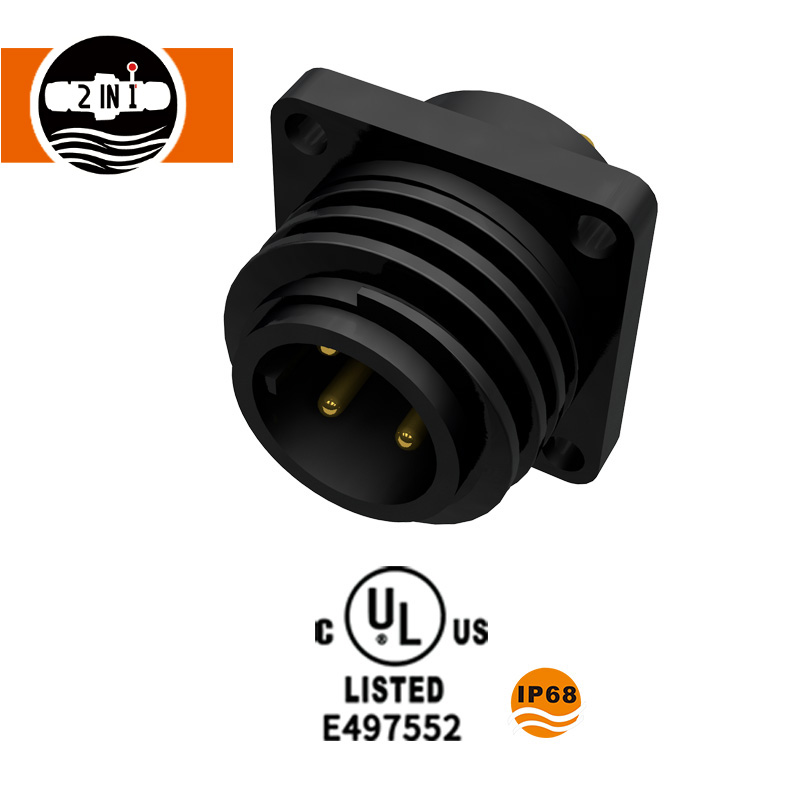
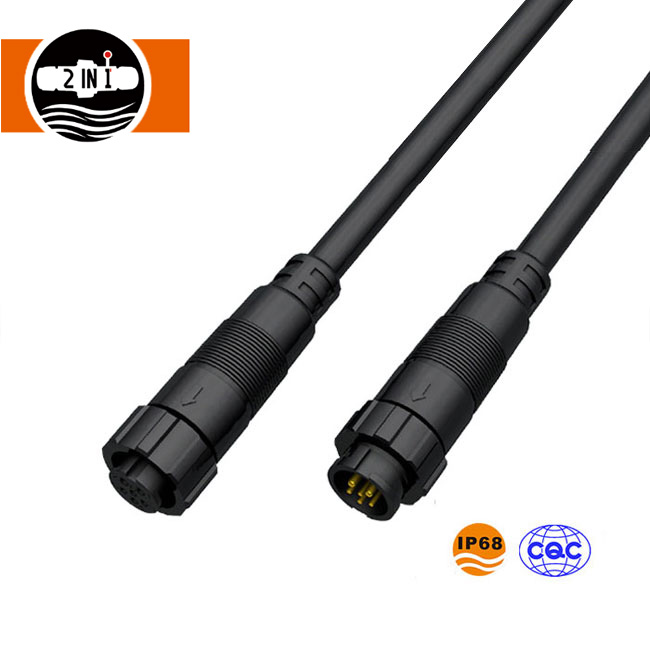
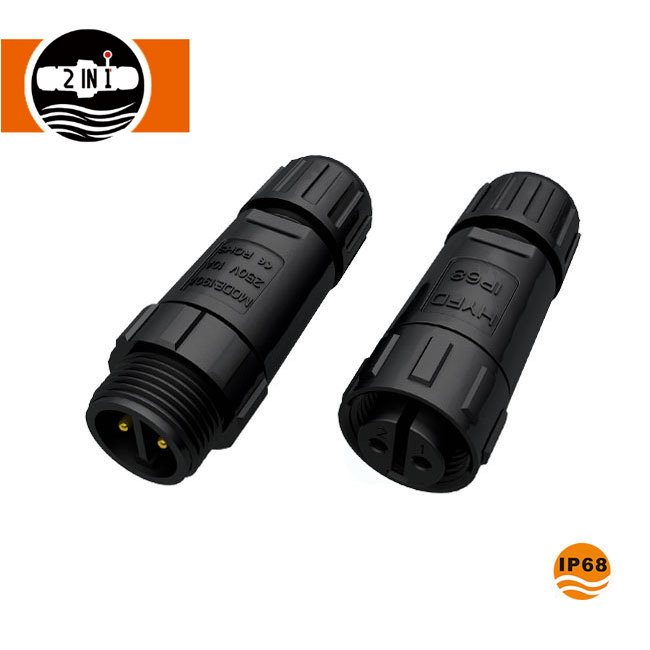
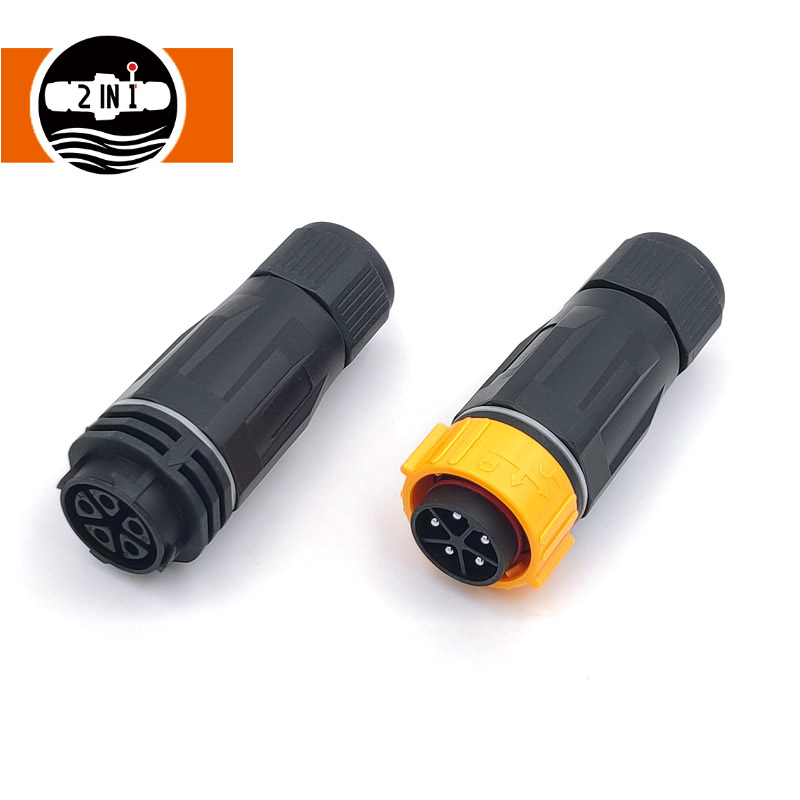
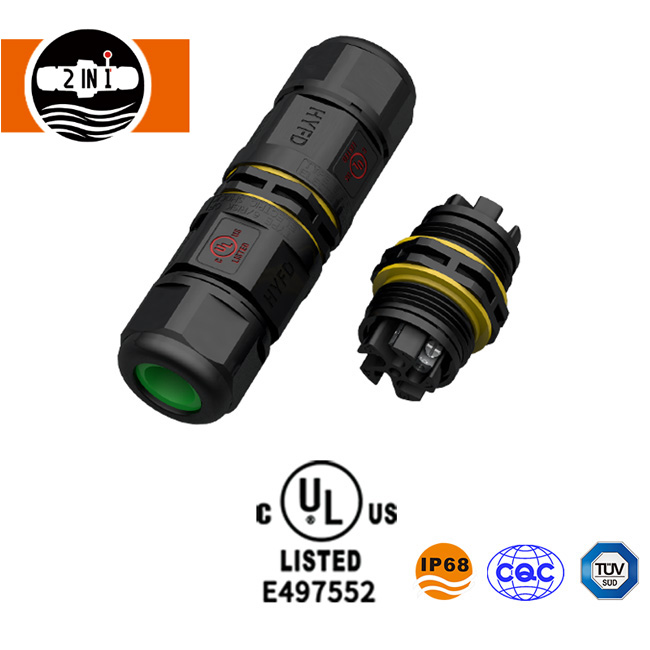
Outdoor lighting projects, new energy equipment, and 5G communication bases all share a common challenge. They need electricity. They are also exposed to rain, humidity, and even long-term submersion. Standard connectors in these conditions fail within months. Water ingress increases contact resistance, reduces insulation, and eventually causes equipment failure or safety hazards.
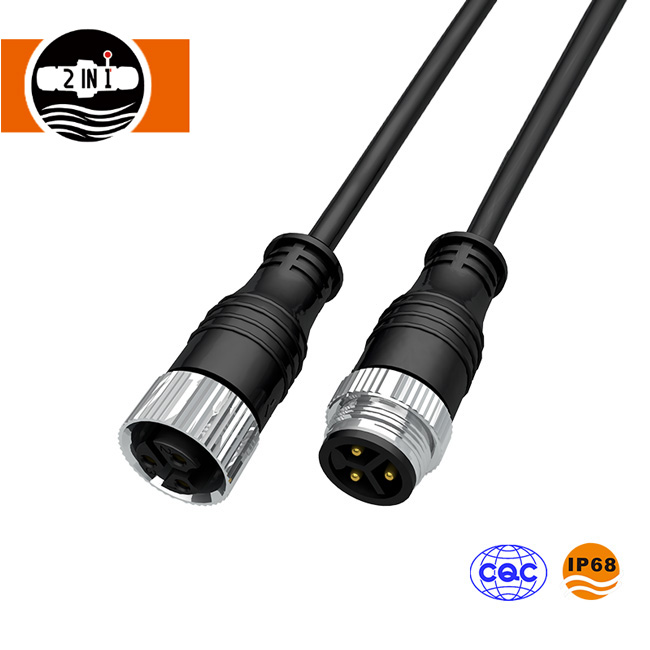
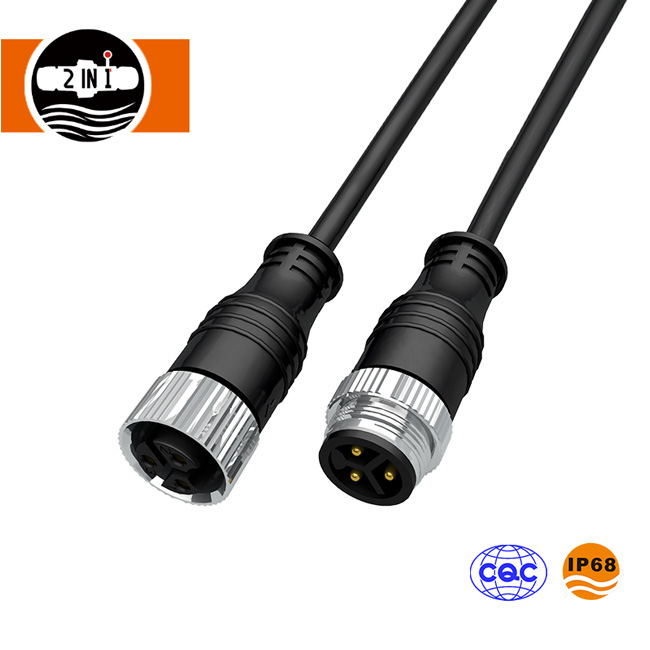
In industries such as industrial, automotive, consumer electronics, and outdoor equipment, waterproof connectors are key components that ensure stable operation of equipment in humid, dusty, or underwater environments.
Screw connectors are essential components in electrical systems, providing secure, reliable, and easy-to-maintain connections. They are widely used in industrial, residential, and commercial electrical installations. This article explores their advantages, types, installation tips, and common questions, guiding you toward safer and more efficient electrical connections.
A waterproof cable connector is a critical component in modern electrical and electronic systems where moisture, dust, vibration, and environmental exposure can compromise performance and safety. This article provides a comprehensive explanation of waterproof cable connectors, their working principles, common customer pain points, key technical parameters, application scenarios, selection guidelines, and frequently asked questions. The content is designed to help engineers, buyers, and project managers make informed decisions for long-term reliability and stable operation in demanding environments.
The M26 Waterproof Power Connector is designed to provide secure and reliable electrical connections in demanding environments. This article explores its key features, applications, installation tips, and FAQs to help users select the right connector for industrial, outdoor, and marine applications.
Waterproof screw connectors play a critical role in ensuring stable electrical connections in environments exposed to moisture, dust, vibration, and temperature variation. Selecting the wrong connector can lead to corrosion, signal loss, equipment failure, or even safety hazards. This article provides a comprehensive and practical guide on how to choose a waterproof screw connector based on real-world application needs. It explains structural principles, key performance indicators, common use cases, installation considerations, and frequent customer concerns, helping buyers make informed decisions with confidence.