Abstract: Watertight circular connectors play a critical role in maintaining reliable electrical connections in harsh environments. This article explores the selection, technical parameters, and practical applications of these connectors, providing in-depth guidance for engineers, procurement specialists, and industrial professionals. Key questions regarding installation, maintenance, and compatibility are addressed in detail, highlighting the significance of choosing the correct connector type for long-term performance.
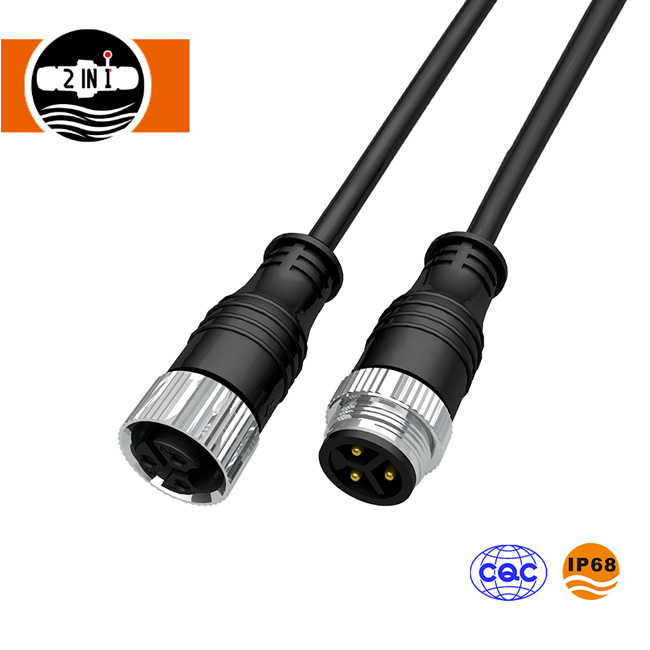
1. Understanding Watertight Circular Connectors
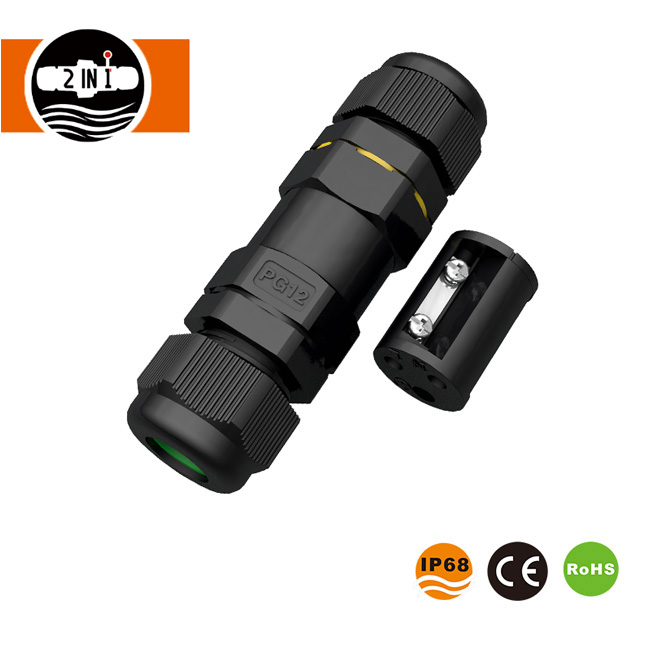
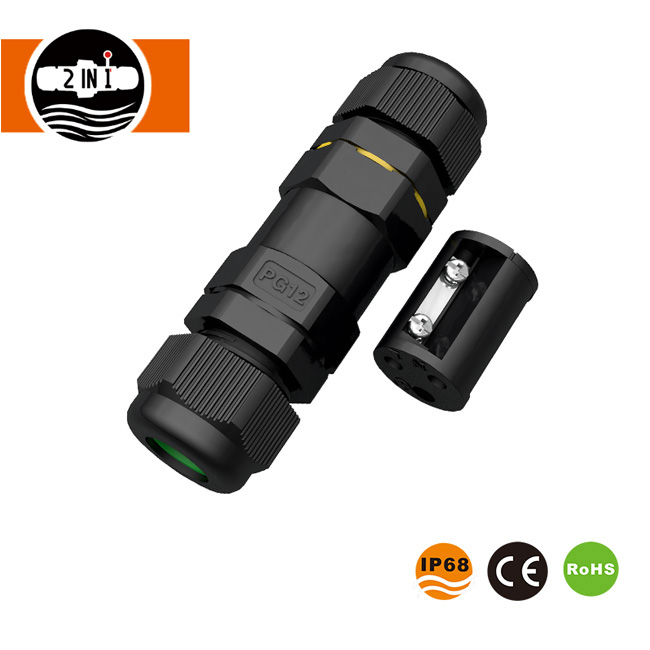
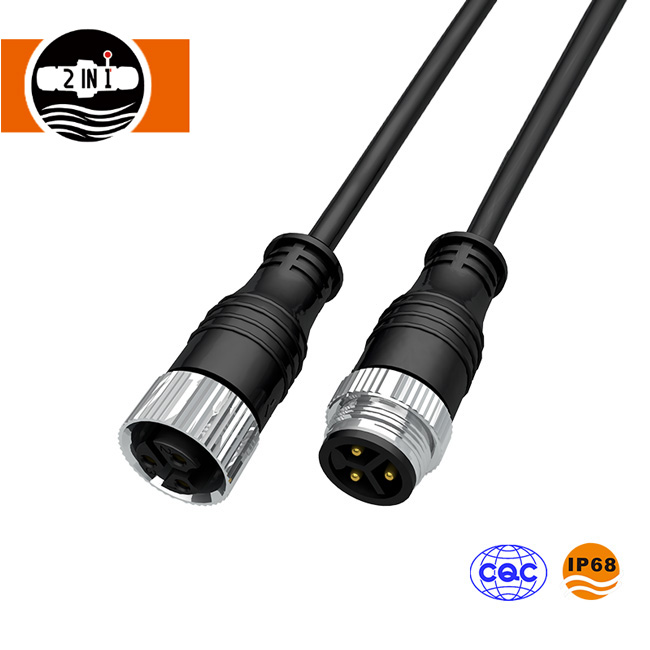
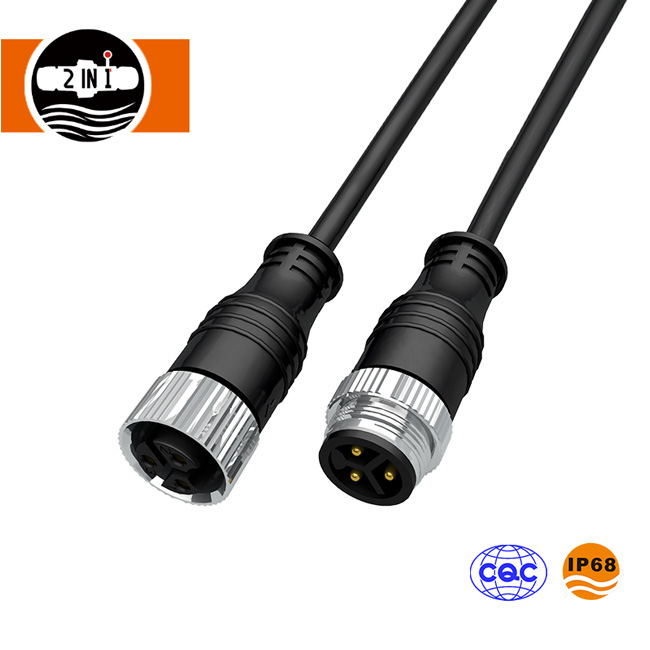
Watertight circular connectors are specialized electrical connectors designed to prevent water ingress and ensure reliable connectivity in industrial, automotive, and marine applications. These connectors are often used in harsh environmental conditions where moisture, dust, and vibration can compromise electrical systems. By offering superior sealing mechanisms, durable materials, and robust mechanical structures, these connectors maintain consistent electrical performance.
The primary focus of this guide is to examine the criteria for selecting the appropriate watertight circular connectors, understanding their technical specifications, and addressing frequently encountered challenges in practical applications.
2. Technical Specifications and Selection Criteria
Choosing the right watertight circular connector requires a comprehensive understanding of its technical parameters. Below is a table summarizing the essential specifications:
|
Parameter
|
Details
|
|
Connector Type
|
Circular, Multi-Pin
|
|
Material
|
Aluminum Alloy / Stainless Steel / Thermoplastic
|
|
IP Rating
|
IP67, IP68, IP69K (depending on environment)
|
|
Operating Temperature
|
-40°C to +125°C
|
|
Current Rating
|
Up to 20A per contact
|
|
Voltage Rating
|
Up to 600V AC/DC
|
|
Contact Plating
|
Gold, Silver, or Tin for corrosion resistance
|
|
Cable Diameter Compatibility
|
3mm to 20mm
|
|
Connection Style
|
Screw-Lock, Bayonet-Lock, Push-Pull
|
|
Environmental Resistance
|
UV, salt spray, vibration, shock
|
Key selection criteria include:
-
Application environment (marine, industrial, automotive)
-
Required IP rating and sealing mechanism
-
Electrical load (voltage and current requirements)
-
Mechanical durability and mating cycles
-
Ease of installation and maintenance
3. Common Challenges and Solutions
3.1 How to Ensure Proper Sealing in Harsh Conditions?
Proper sealing involves choosing connectors with appropriate O-rings and gaskets, compatible with the specific operating temperature and chemical exposure. Correct torque application during installation prevents leakage without damaging the connector.
3.2 How to Verify Electrical Compatibility with Existing Systems?
Electrical compatibility requires checking the connector's current and voltage ratings against system requirements. Contact material and plating should match the application's corrosion and conductivity needs to prevent signal degradation.
3.3 How to Maintain Connector Performance Over Time?
Regular inspection and cleaning of contacts, applying dielectric grease, and ensuring that cables are strain-relieved reduce wear and prevent premature failure. Periodic testing under load and environmental conditions ensures long-term reliability.
4. Frequently Asked Questions About Watertight Circular Connectors
Q1: What environments are these connectors best suited for?
A1: Watertight circular connectors are ideal for industrial, automotive, marine, and outdoor applications where exposure to water, dust, and vibration is common. IP67 to IP69K-rated connectors are particularly effective in high-humidity or submerged conditions.
Q2: How many mating cycles can these connectors typically endure?
A2: Depending on material and design, most high-quality connectors can handle between 500 to 1000 mating cycles without significant performance loss. Regular inspection ensures longevity and identifies worn components before failure.
Q3: Are there different connection styles, and how do they affect installation?
A3: Yes. Common connection styles include screw-lock, bayonet-lock, and push-pull. Screw-lock ensures the strongest seal but requires precise torque. Bayonet-lock allows faster assembly with moderate sealing, while push-pull enables quick mating and un-mating with reliable electrical contact.
Q4: How can temperature extremes affect performance?
A4: Extreme temperatures can impact sealing materials and contact conductivity. Selecting connectors rated for the expected operating range (-40°C to +125°C) ensures consistent performance, even under fluctuating conditions.
Q5: Can these connectors be customized for unique applications?
A5: Yes. Many manufacturers offer customized pin configurations, materials, and IP ratings to meet specific industrial requirements, including unique cable diameters, higher voltage ratings, and corrosion-resistant plating.
5. Conclusion and Contact
Watertight circular connectors are essential components in industrial, marine, and outdoor electrical systems. Selecting the correct connector involves understanding environmental requirements, electrical specifications, mechanical durability, and proper installation practices. By considering all technical parameters and frequently asked questions, professionals can ensure reliable and long-lasting connections.
For high-quality solutions and customization, China Watertight Circular Connectors Factory provides a full range of products designed to meet diverse industrial demands. Contact us today to discuss your requirements and obtain professional guidance.

 English
  Español
  Português
  русский
  Français
  日本語
日本語  Deutsch
  tiếng Việt
  Italiano
  Nederlands
  ภาษาไทย
  Polski
  한국어
한국어  Svenska
  magyar
  Malay
Malay  বাংলা ভাষার
  Dansk
Dansk  Suomi
Suomi  हिन्दी
  Pilipino
  Türkçe
  Gaeilge
  العربية
  Indonesia
  Norsk
Norsk  تمل
تمل  český
český  ελληνικά
  український
  Javanese
  فارسی
فارسی  தமிழ்
தமிழ்  తెలుగు
  नेपाली
  Burmese
  български
  ລາວ
ລາວ  Latine
  Қазақша
  Euskal
  Azərbaycan
  Slovenský jazyk
  Македонски
  Lietuvos
  Eesti Keel
  Română
  Slovenski
  मराठी
मराठी  Srpski језик