In many electrical projects, people usually focus on the quality of cables, power supplies, and control systems. However, one small component is often overlooked — the connection point.
A cable itself may have strong insulation and good conductivity, but the connection area is usually more vulnerable to external factors. Rainwater, humidity, dust, vibration, and temperature changes can gradually affect the stability of electrical connections if proper protection is not provided.
Through years of working with electrical components, we have found that many installation problems are not caused by the cable, but by insufficient protection at the connection point. A loose or poorly sealed connection may work normally at the beginning, but after long-term exposure to outdoor conditions, problems such as corrosion, leakage, and electrical failure may occur.
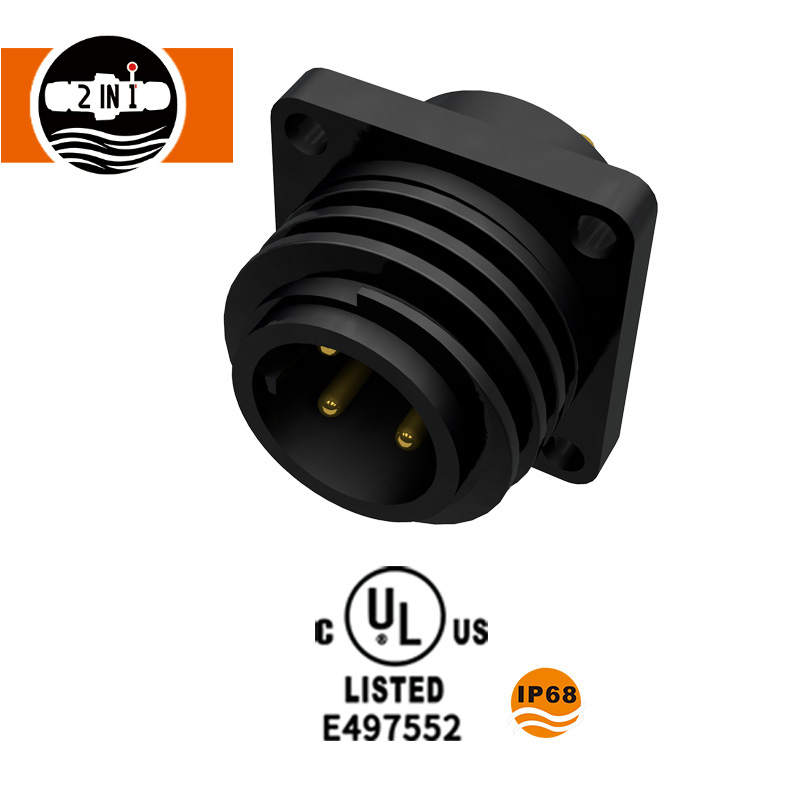
This is why UL Waterproof Cable Connector products have become an important solution for protecting electrical connections. By combining waterproof sealing structures with reliable cable fixing methods, these connectors help create safer and more stable wiring systems for outdoor and industrial applications.
Why Cable Connection Points Need Extra Protection
A cable connection is where two or more electrical conductors are joined together. Although the connection allows electricity to flow, it also creates a potential weak point in the system.
Unlike the middle section of a cable, connection areas usually contain gaps, terminals, and mechanical joints. Without proper protection, moisture and contaminants can enter these areas.
Common problems caused by poor cable protection include:
Reduced electrical conductivity caused by oxidation
Short circuits caused by water penetration
Loose connections caused by vibration
Faster aging of insulation materials
Increased maintenance requirements
For outdoor electrical systems, a reliable connector is not only a connecting component but also a protective barrier.
What Is a UL Waterproof Cable Connector?
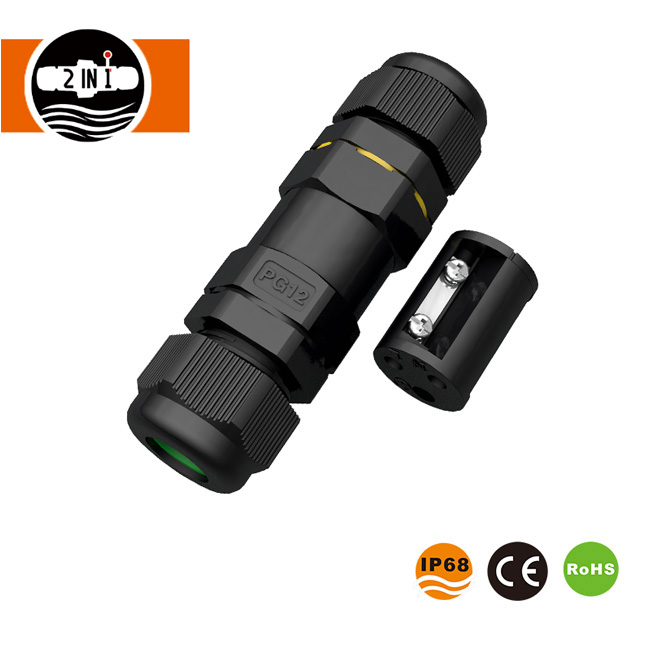
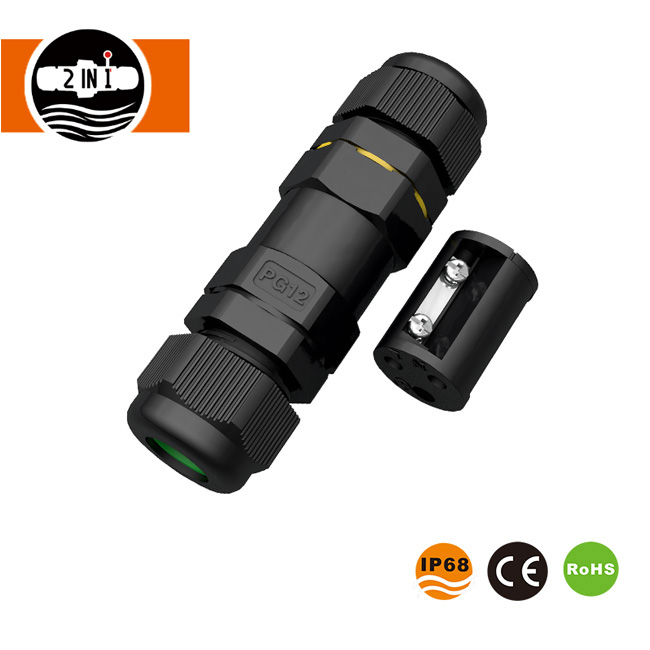
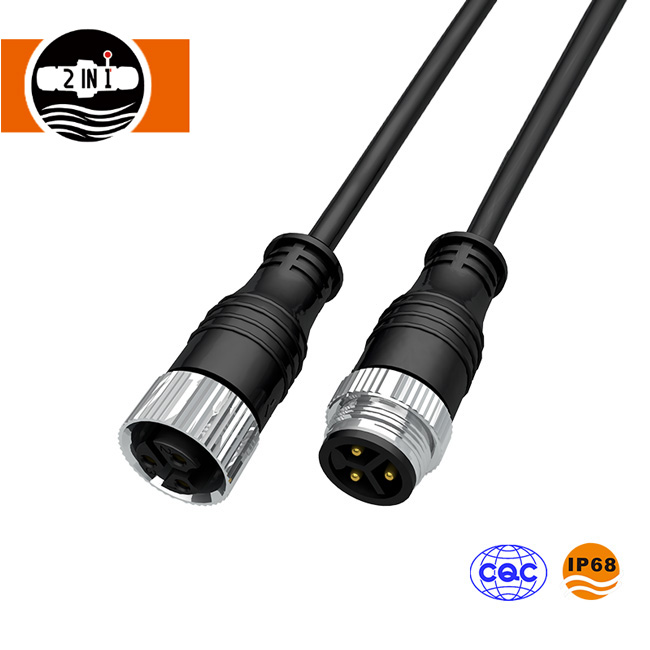
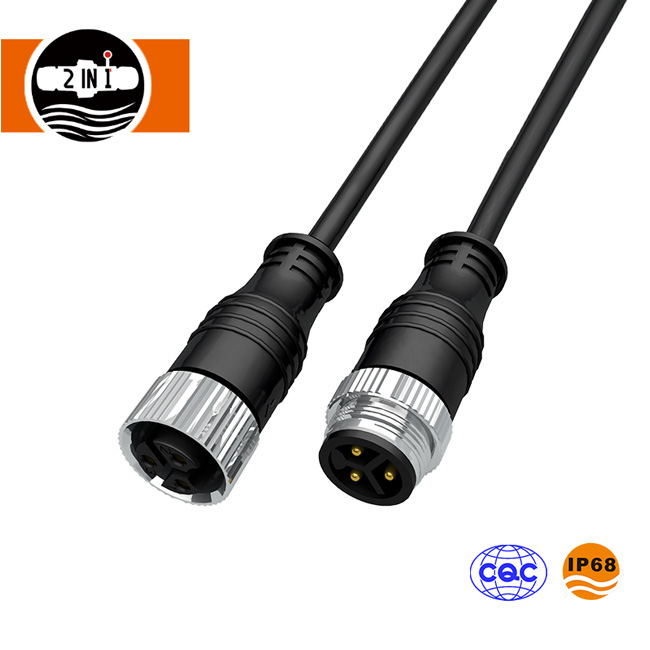
A UL Waterproof Cable Connector is an electrical accessory designed to join and protect cables in environments where moisture, dust, or outdoor exposure may occur.
The connector typically includes multiple parts:
Outer housing
Sealing gasket
Locking nut
Cable fixing structure
Internal connection components
During installation, the cable passes through the connector, and the sealing structure compresses around the cable surface. This helps prevent water and dust from entering the connection area.
Compared with ordinary cable connectors, waterproof models are designed for applications where environmental protection is an important requirement.
How Does a Waterproof Cable Connector Work?
The waterproof performance of a cable connector mainly depends on its structural design.
Sealing System
The sealing ring is one of the most important parts of a waterproof connector.
When the connector is tightened, the sealing element creates pressure around the cable, reducing gaps where moisture could enter.
The quality of the sealing material directly affects long-term performance, especially in outdoor environments where temperature changes can cause expansion and contraction.
Cable Fixing Structure
A good connector does more than prevent water entry. It also needs to hold the cable securely.
The cable gland structure helps reduce movement caused by pulling force or vibration, protecting the internal electrical connection.
This is especially important for industrial equipment, outdoor lighting, and automated systems where cables may experience continuous movement.
Protective Housing
The outer shell provides mechanical protection against external impact, dust, and environmental exposure.
Depending on the application, different housing materials may be used to meet requirements such as:
Weather resistance
Flame resistance
Mechanical strength
Long-term durability
What Does UL Certification Mean for Cable Connectors?
For electrical products, safety standards are an important consideration.
UL certification is widely recognized in North America and is related to product safety evaluation. For cable connectors, UL-related requirements may involve factors such as material safety, electrical performance, temperature resistance, and construction reliability.
For buyers and engineers, choosing a UL-certified waterproof cable connector can provide additional confidence that the product has been evaluated according to recognized safety requirements.
However, certification is only one part of product quality. The actual performance of a connector also depends on design, materials, manufacturing consistency, and correct installation.
Key Design Features of a Reliable Waterproof Cable Connector
Although waterproof cable connectors may look simple from the outside, several details determine their actual performance.
Stable Waterproof Structure
The connector should maintain a reliable seal after installation. A good waterproof structure needs to handle not only direct water exposure but also long-term environmental changes.
Durable Materials
The housing material needs to withstand different working conditions.
Common requirements include:
Resistance to moisture
Resistance to temperature changes
Mechanical strength
Protection against aging
Secure Cable Connection
A connector should keep the cable firmly in place while preventing excessive pressure on the internal wiring.
A poor fixing design may cause cable movement, which can eventually affect the electrical connection.
Easy Installation
In real projects, installation efficiency is also important.
A practical waterproof cable connector should allow installers to complete connections quickly while maintaining reliable sealing performance.
Common Applications of UL Waterproof Cable Connectors
Because of their protective function, waterproof cable connectors are widely used in many industries.
Outdoor LED Lighting Systems
Outdoor lighting requires stable electrical connections because cables are often exposed to rain and humidity.
Waterproof connectors are commonly used in:
Garden lighting
Landscape lighting
Street lighting
Decorative lighting systems
Solar Power Systems
Solar installations often operate outdoors for many years.
Cable connectors used in solar applications need to withstand sunlight, temperature changes, and moisture exposure.
Industrial Equipment
Factories and industrial facilities may contain areas with dust, humidity, or frequent equipment vibration.
Waterproof cable connectors help protect electrical connections in machinery and control systems.
Automation and Control Systems
Modern automation equipment relies on stable signal and power connections.
A protected connector can help reduce downtime caused by connection failures.
Marine and Outdoor Equipment
Marine environments create additional challenges due to moisture and corrosion.
Waterproof connectors are commonly considered for equipment that operates near water or in harsh outdoor conditions.
Common Mistakes When Using Cable Connectors
Even a high-quality waterproof connector may not perform properly if installed incorrectly.
Incorrect Cable Size
Using a cable that does not match the connector specification may prevent the sealing system from working effectively.
Improper Tightening
Over-tightening may damage sealing components, while insufficient tightening may create gaps.
Ignoring Installation Environment
Different applications require different protection levels. A connector used for indoor equipment may not be suitable for direct outdoor exposure.
Proper product selection and installation are both important for achieving reliable performance.
How Waterproof Cable Connectors Improve Long-Term Electrical Reliability
Electrical systems are expected to operate safely for extended periods. Maintenance costs and downtime can often be reduced by protecting vulnerable connection points from the beginning.
A waterproof cable connector helps by:
Reducing moisture-related failures
Protecting electrical contacts
Improving connection stability
Reducing maintenance frequency
Supporting safer outdoor installations
In many projects, the cost of a connector is small compared with the potential cost of repairing electrical failures caused by poor protection.

 English
  Español
  Português
  русский
  Français
  日本語
日本語  Deutsch
  tiếng Việt
  Italiano
  Nederlands
  ภาษาไทย
  Polski
  한국어
한국어  Svenska
  magyar
  Malay
Malay  বাংলা ভাষার
  Dansk
Dansk  Suomi
Suomi  हिन्दी
  Pilipino
  Türkçe
  Gaeilge
  العربية
  Indonesia
  Norsk
Norsk  تمل
تمل  český
český  ελληνικά
  український
  Javanese
  فارسی
فارسی  தமிழ்
தமிழ்  తెలుగు
  नेपाली
  Burmese
  български
  ລາວ
ລາວ  Latine
  Қазақша
  Euskal
  Azərbaycan
  Slovenský jazyk
  Македонски
  Lietuvos
  Eesti Keel
  Română
  Slovenski
  मराठी
मराठी  Srpski језик