Article Summary
Waterproof screw connectors play a critical role in ensuring stable electrical connections in environments exposed to moisture, dust, vibration, and temperature variation. Selecting the wrong connector can lead to corrosion, signal loss, equipment failure, or even safety hazards. This article provides a comprehensive and practical guide on how to choose a waterproof screw connector based on real-world application needs. It explains structural principles, key performance indicators, common use cases, installation considerations, and frequent customer concerns, helping buyers make informed decisions with confidence.
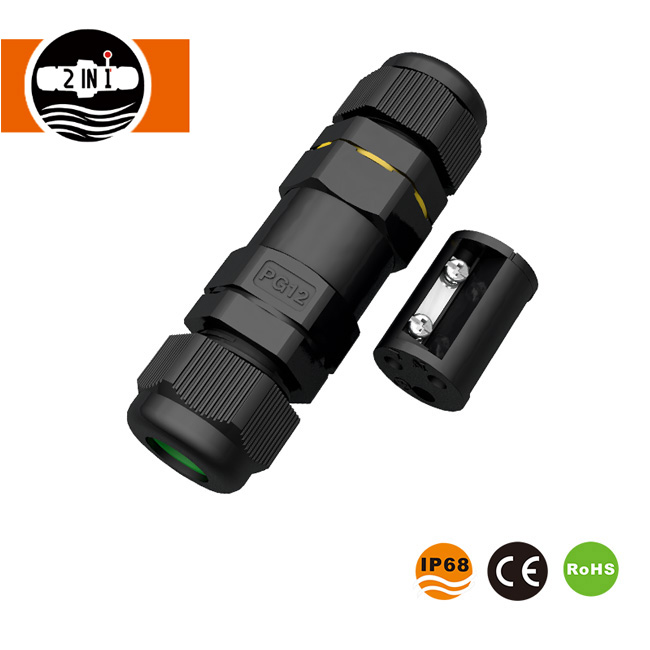
Table of Contents
-
Understanding Waterproof Screw Connectors
-
Common Customer Pain Points in Waterproof Connections
-
Key Factors When Choosing a Waterproof Screw Connector
-
Typical Application Scenarios
-
Material and Structural Design Explained
-
Installation and Maintenance Considerations
-
Comparison Table: Selecting the Right Connector
-
Frequently Asked Questions
-
Conclusion and Business Cooperation
Understanding Waterproof Screw Connectors
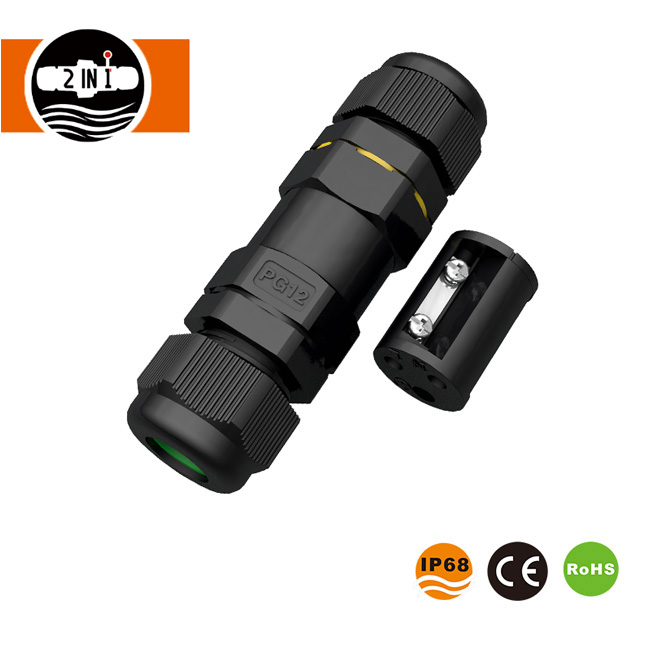
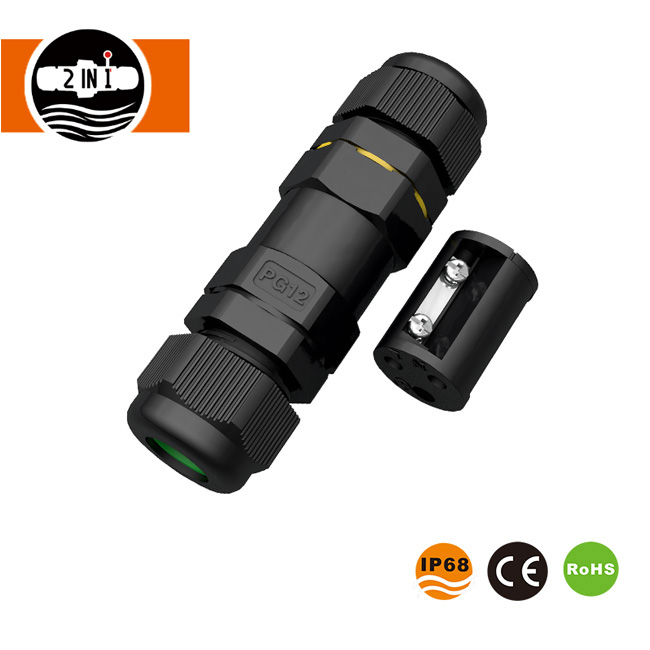
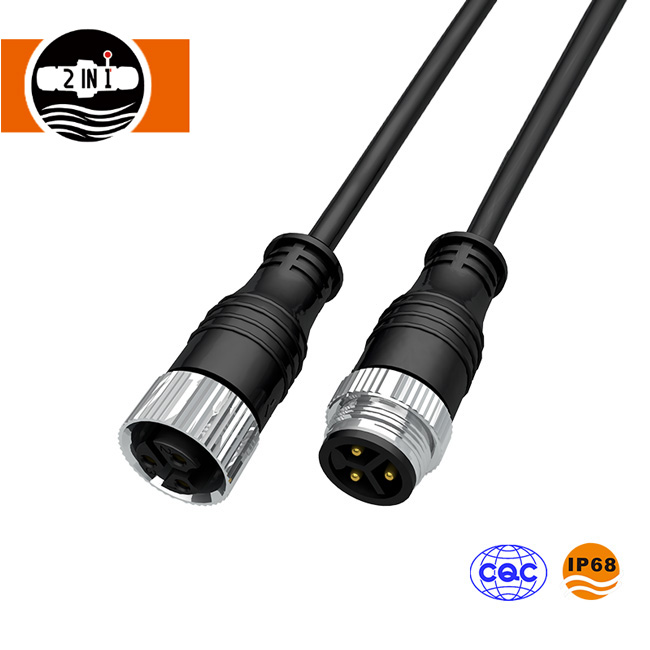
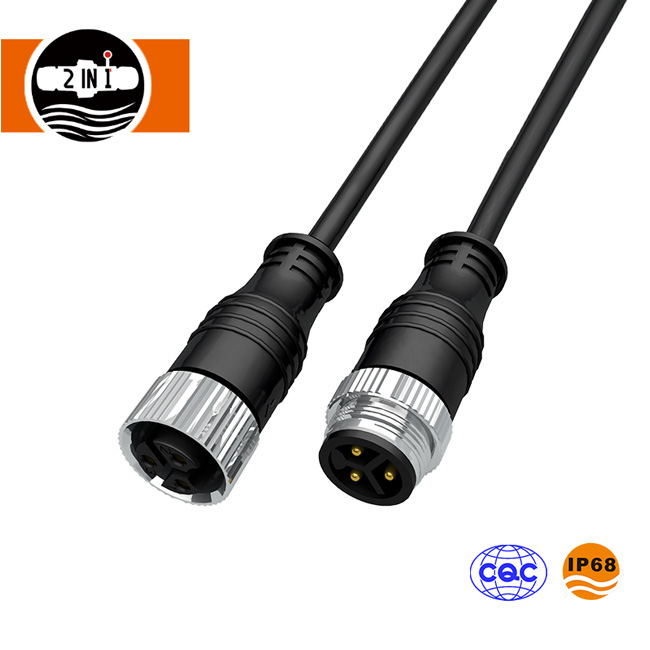
A waterproof screw connector is a type of electrical connector designed to provide secure, threaded connections while preventing water, moisture, dust, and contaminants from entering the contact area. Unlike snap-fit or push-in connectors, screw-type designs rely on mechanical tightening to maintain stable electrical continuity under vibration and mechanical stress.
These connectors are widely used in outdoor equipment, industrial automation, marine systems, LED lighting, renewable energy installations, and transportation infrastructure. Their reliability depends on sealing performance, mechanical strength, material quality, and compatibility with cable specifications.
Common Customer Pain Points in Waterproof Connections
Many customers encounter recurring problems when selecting or using waterproof connectors. Understanding these challenges helps avoid costly mistakes.
-
Water ingress caused by insufficient sealing or incorrect IP rating
-
Loose connections due to vibration or thermal expansion
-
Corrosion of metal contacts in humid or coastal environments
-
Complex installation processes that increase labor costs
-
Connector failure caused by mismatched cable diameter or current load
A properly selected waterproof screw connector addresses these issues through optimized structure, materials, and performance specifications.
Key Factors When Choosing a Waterproof Screw Connector
Choosing the right connector requires evaluating multiple technical and environmental factors rather than relying on appearance alone.
-
Ingress Protection Level: Ensure the connector meets the required protection level for water and dust exposure in the intended environment.
-
Thread Design: Precision threading ensures uniform pressure on sealing components and prevents loosening over time.
-
Current and Voltage Rating: Electrical capacity must match or exceed system requirements to avoid overheating.
-
Cable Compatibility: The connector must support the outer diameter and conductor size of the cable.
-
Operating Temperature Range: Materials should maintain elasticity and strength across expected temperature fluctuations.
Typical Application Scenarios
Waterproof screw connectors are not universal; their specifications should align with specific usage conditions.
-
Outdoor Lighting Systems: Used in garden lights, street lamps, and architectural lighting exposed to rain and humidity.
-
Industrial Equipment: Suitable for factories where oil mist, dust, and vibration are common.
-
Renewable Energy: Applied in solar power systems and wind installations requiring long-term outdoor stability.
-
Marine and Coastal Projects: Designed to resist salt spray and corrosion.
-
Transportation Infrastructure: Used in traffic signals, rail systems, and charging stations.
Material and Structural Design Explained
The performance of a waterproof screw connector depends heavily on its construction.
-
Housing Material: High-grade nylon or engineering plastics provide impact resistance and long-term durability.
-
Sealing Components: Silicone or rubber O-rings create compression seals that block moisture ingress.
-
Contact Material: Copper alloy contacts with surface treatment improve conductivity and corrosion resistance.
-
Strain Relief Design: Prevents cable stress from transferring to internal terminals.
Manufacturers such as HuaYi-FaDa focus on optimizing these elements to balance performance, safety, and ease of use.
Installation and Maintenance Considerations
Even high-quality connectors can fail if installed incorrectly. Proper installation ensures long-term reliability.
-
Strip cable insulation to the recommended length without damaging conductors
-
Tighten screws to specified torque levels for consistent contact pressure
-
Ensure sealing rings are properly seated before tightening the housing
-
Perform visual inspection after installation to confirm alignment
Periodic inspection is recommended in high-vibration or extreme environments to ensure continued sealing integrity.
Comparison Table: Selecting the Right Connector
|
Selection Factor
|
Basic Requirement
|
Enhanced Requirement
|
|
Water Resistance
|
Rain and splash protection
|
Long-term immersion resistance
|
|
Mechanical Stability
|
Low vibration environments
|
High vibration and movement
|
|
Temperature Range
|
Indoor or mild outdoor use
|
Extreme heat or cold
|
|
Installation Frequency
|
Permanent installations
|
Frequent assembly and disassembly
|
Frequently Asked Questions
Are waterproof screw connectors suitable for underground installations?
They can be used underground when properly rated and installed with additional protection such as conduit systems to prevent long-term water pressure exposure.
Can one connector type be used for both power and signal transmission?
Some designs support both, but it is important to verify electrical ratings and shielding requirements before use.
How can connector lifespan be extended in harsh environments?
Selecting corrosion-resistant materials, ensuring correct installation, and conducting regular inspections significantly improve service life.
Is customization available for specific projects?
Many manufacturers, including HuaYi-FaDa, offer customization options for cable size, pin configuration, and housing materials.
Conclusion and Business Cooperation
Selecting the right waterproof screw connector is a strategic decision that directly impacts system safety, reliability, and maintenance costs. By understanding application requirements, structural design, and installation principles, buyers can avoid common failures and ensure long-term performance.
HuaYi-FaDa continues to provide reliable waterproof connection solutions designed for demanding environments across multiple industries. For tailored solutions, technical consultation, or product inquiries, please contact us to explore how the right connector can enhance the reliability of your next project.

 English
  Español
  Português
  русский
  Français
  日本語
日本語  Deutsch
  tiếng Việt
  Italiano
  Nederlands
  ภาษาไทย
  Polski
  한국어
한국어  Svenska
  magyar
  Malay
Malay  বাংলা ভাষার
  Dansk
Dansk  Suomi
Suomi  हिन्दी
  Pilipino
  Türkçe
  Gaeilge
  العربية
  Indonesia
  Norsk
Norsk  تمل
تمل  český
český  ελληνικά
  український
  Javanese
  فارسی
فارسی  தமிழ்
தமிழ்  తెలుగు
  नेपाली
  Burmese
  български
  ລາວ
ລາວ  Latine
  Қазақша
  Euskal
  Azərbaycan
  Slovenský jazyk
  Македонски
  Lietuvos
  Eesti Keel
  Română
  Slovenski
  मराठी
मराठी  Srpski језик