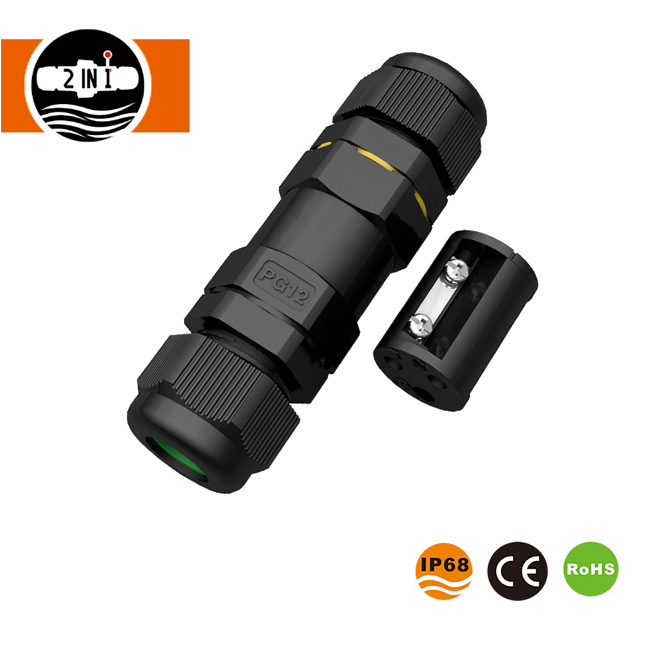
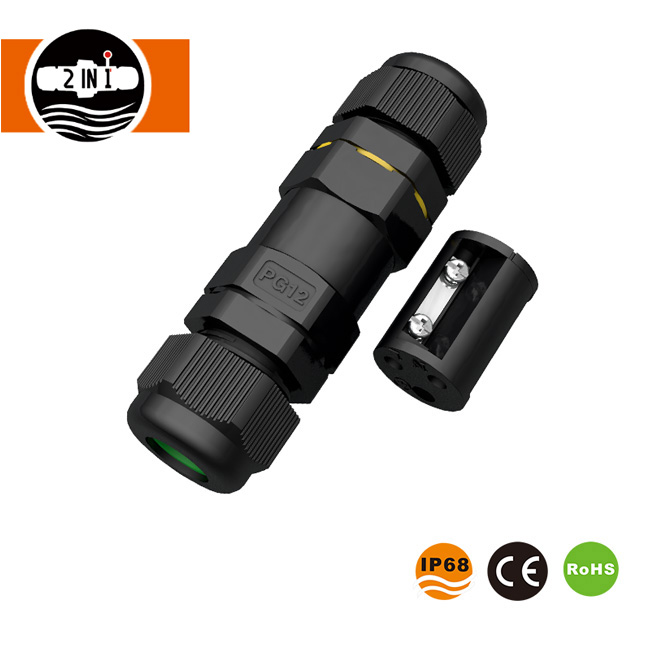
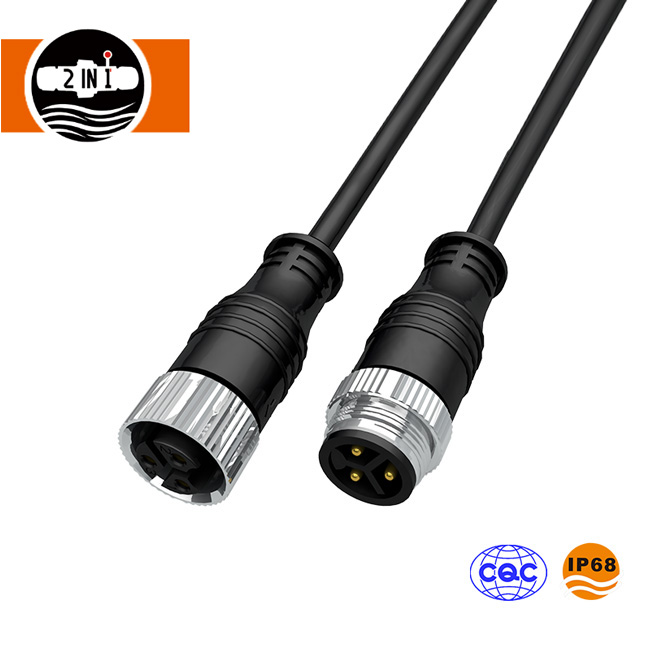
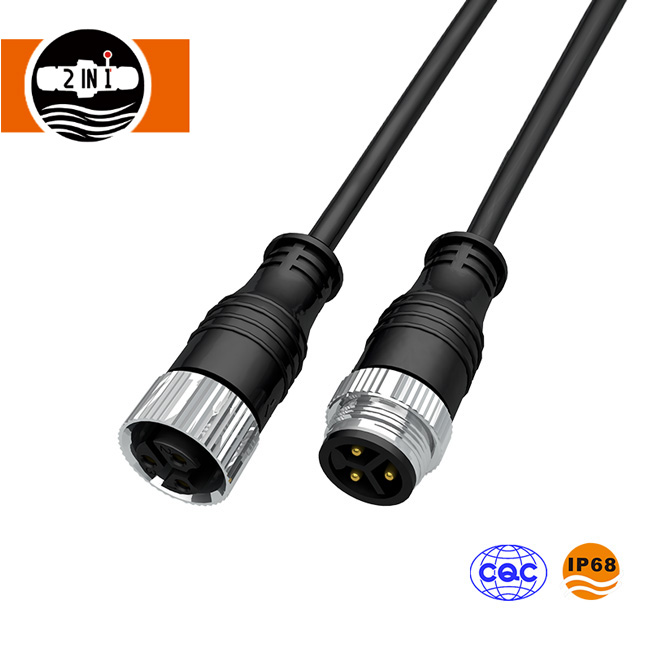
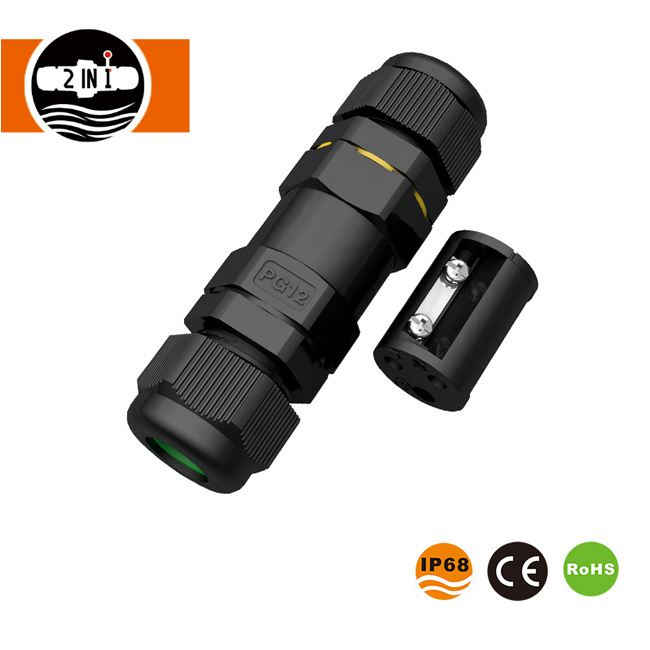
LED reliability depends on more than the light source itself. In outdoor and commercial lighting systems, electrical connections, cable protection, and installation quality all influence whether fixtures operate consistently over time. The Male to Female M14 Connector with Wire illustrates why connector selection deserves attention when designing and maintaining LED equipment.
LED Reliability Starts Beyond the Light Source
LED technology has improved energy efficiency and extended the operating life of many lighting systems. However, a long-lasting LED module cannot compensate for an unstable electrical connection. Loose contacts, damaged cable insulation, moisture intrusion, and incompatible interfaces can interrupt power delivery or cause intermittent operation.
These problems can be particularly disruptive in outdoor lighting, where fixtures may be installed across building facades, parking facilities, gardens, roadways, and public spaces. Finding a fault may require access equipment, circuit isolation, and on-site inspection, adding time and labor to routine maintenance.
Connector selection is therefore part of the wider reliability strategy. A suitable connection must match the electrical requirements, mechanical interface, cable arrangement, and environmental conditions of the installation.
How Connector Design Affects Electrical Stability
A connector provides the interface between electrical components, but its performance depends on several interacting factors. The contact arrangement must match the circuit, the mating components must fit correctly, and the connection must remain mechanically secure during normal operation.
Contact Compatibility
The male and female interfaces must be designed to mate correctly. Differences in pin arrangement, dimensions, or electrical ratings can prevent proper integration or create connection problems. Checking the interface and pin configuration before installation helps reduce avoidable wiring errors.
Cable Preparation and Routing
Cable length, conductor size, insulation, and routing influence the finished installation. A connector supplied with an attached wire can simplify cable preparation when the wire specifications suit the equipment layout. Consistent routing also helps reduce unnecessary strain on the connection.
Mechanical Retention
Vibration, repeated handling, and cable movement can place stress on electrical joints. A suitable locking structure helps maintain the intended mechanical connection, while appropriate cable support reduces pulling forces on the connector itself.
These details are important because electrical reliability depends on the complete connection assembly, not simply the connector's external appearance.
Why the M14 Interface Needs Careful Selection
The Male to Female M14 Connector with Wire combines a threaded M14 interface with an attached cable. This configuration may be suitable for compatible LED lighting equipment that uses the corresponding connection arrangement.
However, an M14 designation alone does not establish universal compatibility. Thread dimensions, contact layout, rated voltage, current capacity, cable specifications, and the design of the mating component all matter.
|
Selection Factor
|
Relevance to LED Reliability
|
|
Thread and mating interface
|
Supports correct mechanical fit
|
|
Pin configuration
|
Matches the intended electrical circuit
|
|
Rated voltage and current
|
Keeps the connection within its specified operating limits
|
|
Wire length and conductor size
|
Supports suitable routing and electrical performance
|
|
Cable strain relief
|
Helps reduce mechanical stress at the connection
|
|
Environmental protection
|
Addresses moisture and dust exposure when appropriately rated
|
Checking these details before installation can prevent mismatched components from becoming a source of faults during operation.
Outdoor Conditions Add Another Layer of Risk
Outdoor LED systems experience conditions that indoor installations may avoid. Rain, condensation, airborne dust, sunlight, and temperature fluctuations can affect connector materials, seals, and cable insulation.
For outdoor use, the required ingress protection rating should be confirmed from product documentation. A threaded connector is not automatically waterproof, and an IP rating for an individual component does not necessarily establish the protection level of the complete assembled connection.
Correct mating, sealing, cable installation, and maintenance all contribute to environmental protection. Where equipment is exposed to direct rainfall or standing water, the selected connector assembly must meet the conditions specified for that application.
Temperature is another consideration. Cable insulation and sealing materials must be appropriate for the expected operating range. Repeated heating and cooling can affect material behavior and connection integrity, particularly when components are used outside their intended conditions.
Consistent Installation Helps Prevent Repeat Faults
Even a suitably specified connector can perform poorly if installation practices vary. In projects containing many LED fixtures, consistent cable preparation, connection assembly, routing, and inspection help reduce avoidable differences between installations.
A practical process begins with checking product drawings and electrical specifications. Installers can then confirm mating compatibility, follow the specified assembly method, and inspect cable routing and sealing before energizing the system.
When an LED fixture fails, maintenance teams should also examine the wider circuit rather than automatically replacing the light source. Power supplies, wiring, connectors, and control equipment can all contribute to intermittent operation. Identifying the actual fault helps prevent repeat service visits caused by treating only the visible symptom.
HuaYi-FaDa Technology, operating under ShenZhen 2 IN 1 Technology Co., Ltd., has focused on waterproof connector development and production since 2009. Its capabilities include mold processing, injection molding, wire extrusion, and hardware processing. These production processes support the development of connector and cable configurations for applications including outdoor lighting, automation, and photovoltaic equipment.
Reliability Depends on the Entire Connection System
LED service life is influenced by the quality of the light source, power electronics, wiring, installation conditions, and maintenance practices. Connectors are only one part of this system, but a poorly matched or improperly installed connection can undermine the performance of otherwise suitable equipment.
The Male to Female M14 Connector with Wire is relevant to LED applications that require a compatible threaded interface and attached cable. Its contribution to reliability comes from correct specification, suitable environmental protection, and consistent installation—not from the connector format alone.
For lighting projects, careful attention to connection details helps keep electrical systems organized, reduces preventable installation errors, and supports more predictable maintenance over time.

 English
 Español
 Português
 русский
 Français
 日本語
 Deutsch
 tiếng Việt
 Italiano
 Nederlands
 ภาษาไทย
 Polski
 한국어
 Svenska
 magyar
 Malay
 বাংলা ভাষার
 Dansk
 Suomi
 हिन्दी
 Pilipino
 Türkçe
 Gaeilge
 العربية
 Indonesia
 Norsk
 تمل
 český
 ελληνικά
 український
 Javanese
 فارسی
 தமிழ்
 తెలుగు
 नेपाली
 Burmese
 български
 ລາວ
 Latine
 Қазақша
 Euskal
 Azərbaycan
 Slovenský jazyk
 Македонски
 Lietuvos
 Eesti Keel
 Română
 Slovenski
 मराठी
 Srpski језик